Ramayana Pilgrimage
Ramayana Darshan Yatra
8 Days / 7 Nights Package
8 Days / 7 Nights Package
The Sri Lanka Ramayana Darshan & Heritage Yatra is a specially designed private journey for Hindu devotees, couples and families who wish to visit the island’s most significant Ramayana locations while experiencing the natural beauty, ancient heritage and warm hospitality of Sri Lanka.
According to the Ramayana tradition, Sri Lanka was the kingdom of Ravana, and many locations across the island are associated with the sacred story of Shri Rama, Mata Sita, Lakshmana and Hanumanji. This journey takes devotees to the places where Shri Rama is believed to have worshipped Lord Shiva, where Mata Sita spent part of her captivity, where Hanumanji discovered her in Ashok Vatika, and where fragments of the Sanjeevani Mountain reportedly fell.
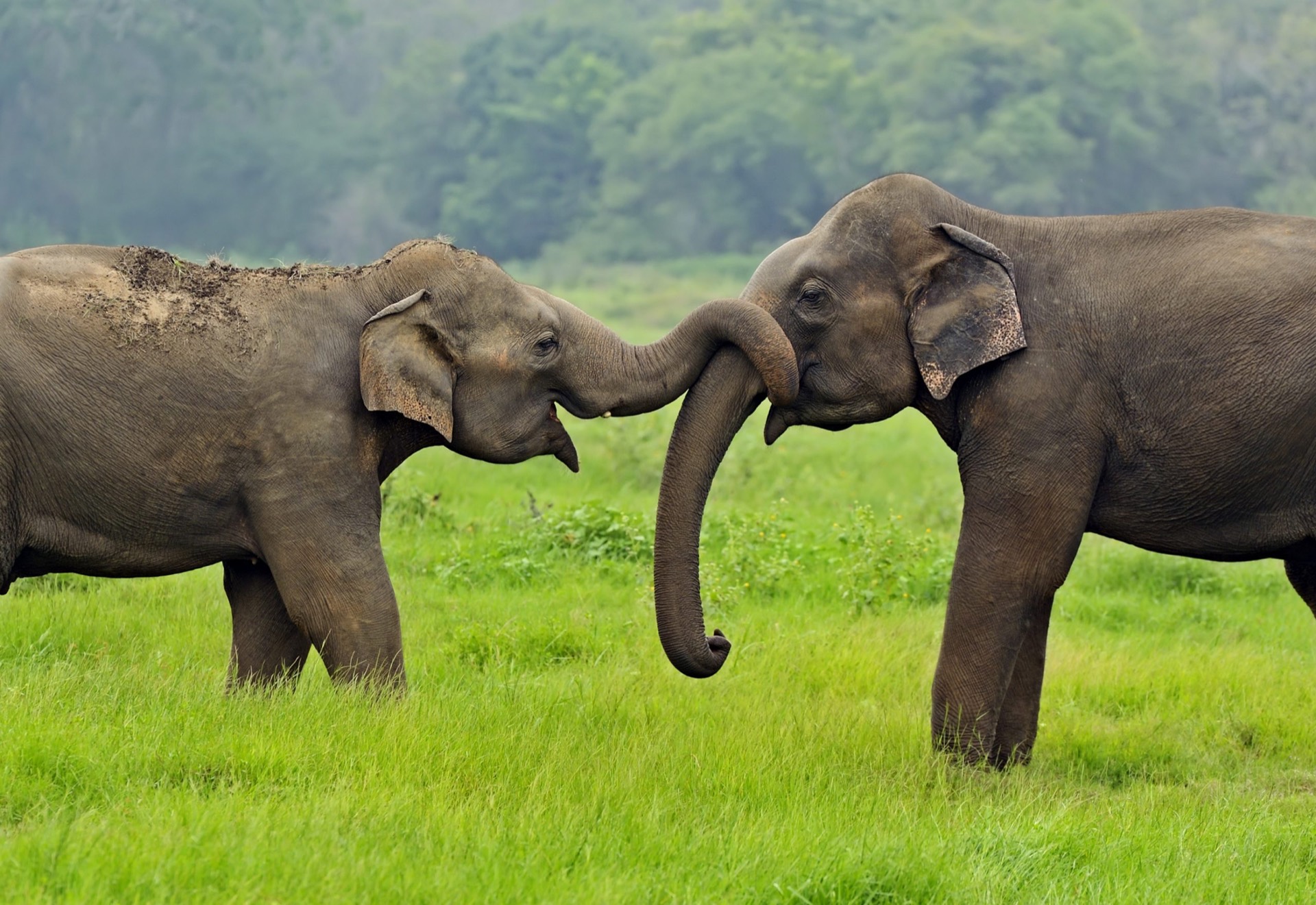
Alongside these sacred places, the tour includes UNESCO World Heritage Sites, Buddhist monuments, tea plantations, waterfalls, mountain scenery, wildlife experiences and Sri Lanka’s beautiful southern coast. It offers an ideal balance of pilgrimage, heritage, nature and relaxation.
The Ramayana associations described throughout the journey are based on Hindu religious traditions, temple histories and legends preserved by local communities. Some locations have established archaeological importance, while their Ramayana connections remain matters of faith and tradition.
Exclusions: international flights, visa or ETA fees, entrance tickets, personal expenses and tips. All of it is spelled out in your written quote.
A starting point, not a fixed departure. Add nights, swap a stop or change the pace and we'll rebuild it around you.
Arrive at Bandaranaike International Airport, where you will be welcomed by your private chauffeur-guide.
Begin your journey towards Sri Lanka’s Cultural Triangle while visiting three sacred locations associated with Shri Rama and Hanumanji.
Your first pilgrimage stop is Munneswaram Temple, one of Sri Lanka’s most important Hindu temple complexes.
According to Ramayana tradition, after defeating Ravana, Shri Rama was affected by Brahmahathi Dosha—the spiritual consequence of killing Ravana, who was born a Brahmin and was a great scholar despite his actions.
When Shri Rama reached Munneswaram, he felt the effects of the Dosha temporarily lessen. He prayed to Lord Shiva for forgiveness, guidance and purification. Lord Shiva is believed to have instructed him to install and worship Shiva Lingams at sacred locations.
Munneswaram remains an important place of Shiva worship and attracts Hindu devotees from Sri Lanka, India and around the world.
Continue to Manavari Temple, believed to be the first place where Shri Rama installed and worshipped a Shiva Lingam after the war.
Because it was consecrated by Shri Rama, the Lingam is revered as Ramalinga Shivan, or Ramalingam. It is considered one of the holiest Shiva Lingams associated with Shri Rama outside India.
Together, Munneswaram and Manavari represent repentance, spiritual purification and the restoration of dharma following the destruction of war.
Continue to Dolukanda, one of Sri Lanka’s traditional Sanjeevani Mountain locations.
When Lakshmana was seriously wounded during the battle, Hanumanji was sent to the Himalayas to obtain life-saving medicinal herbs. Unable to identify the correct plant, he lifted and carried an entire section of the mountain towards Lanka.
According to Sri Lankan tradition, a fragment of the mountain fell at Dolukanda. The area is known for its vegetation and association with traditional medicinal plants, strengthening the belief that it contains plants brought from the Himalayas.
The standard visit covers the temple and accessible lower section. A complete mountain climb requires additional time, physical fitness and an experienced local guide.
Continue to Sigiriya, check in at the hotel and relax.
Overnight stay in Sigiriya
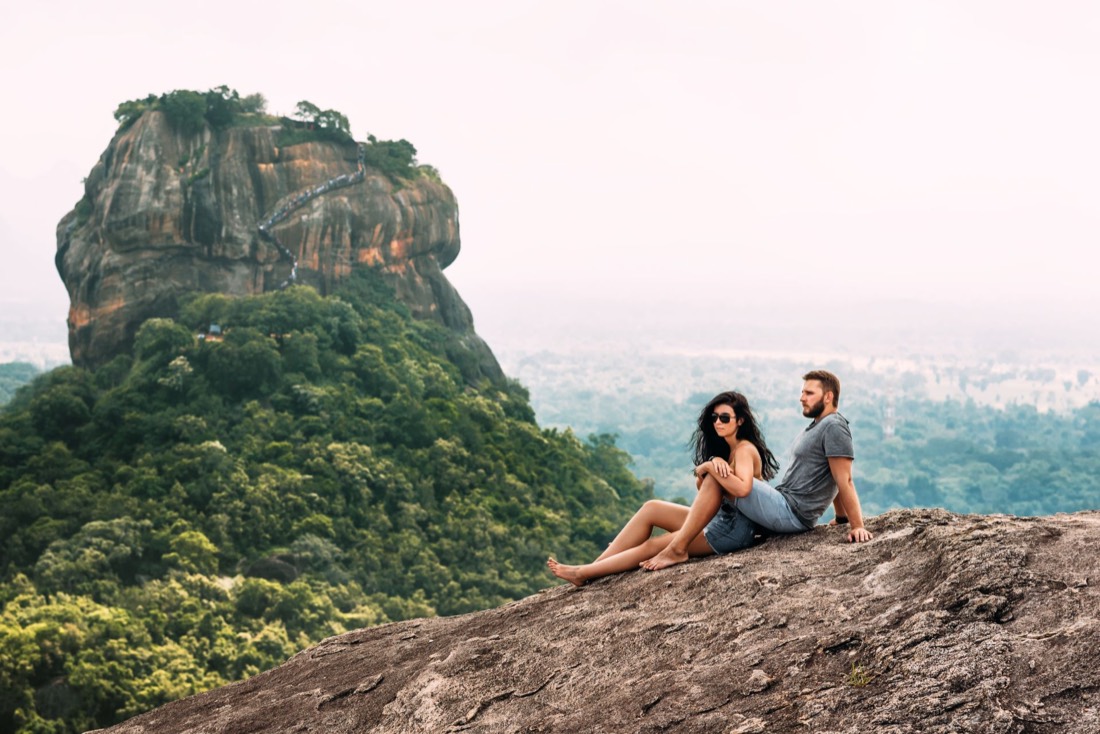
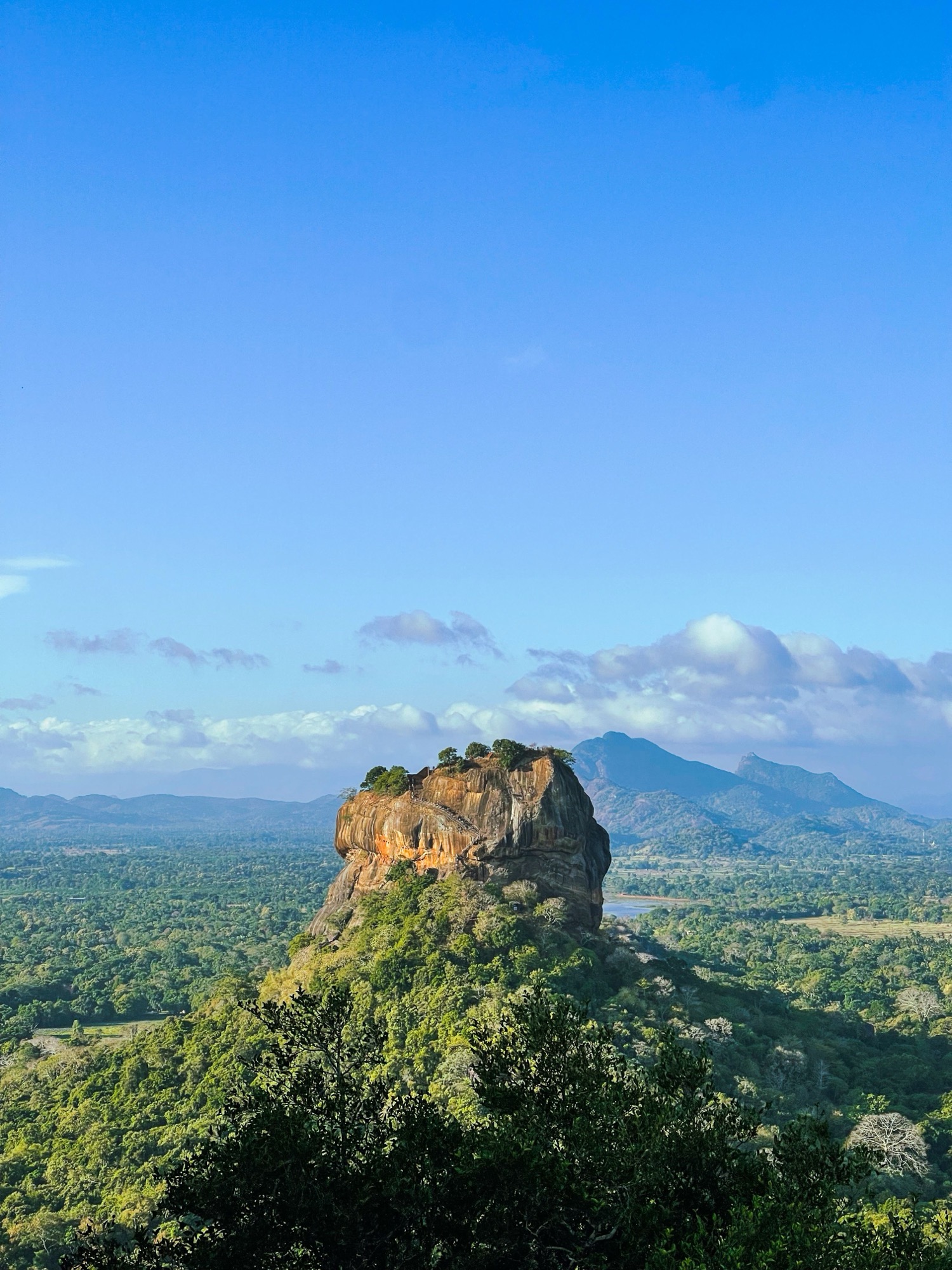
After breakfast, visit the magnificent Sigiriya Rock Fortress, one of Sri Lanka’s most celebrated cultural landmarks.
Sigiriya is a UNESCO World Heritage Site renowned for its remarkable ancient engineering, landscaped water gardens, colourful frescoes, Mirror Wall, Lion Staircase and summit palace.
The surviving fortress was developed by King Kashyapa during the fifth century CE. Its sophisticated water-management system, architecture and dramatic setting make it one of Asia’s greatest archaeological treasures.
The climb to the summit rewards visitors with spectacular panoramic views across Sri Lanka’s Cultural Triangle.
Certain local traditions suggest that the massive rock and surrounding caves may have been connected with Ravana’s ancient kingdom long before King Kashyapa constructed his citadel.
Some stories describe Sigiriya as one of Ravana’s palaces or strategic fortresses. However, this association belongs to later folklore and is not supported by present archaeological evidence. The established historical importance and the traditional Ramayana stories should therefore be understood separately.
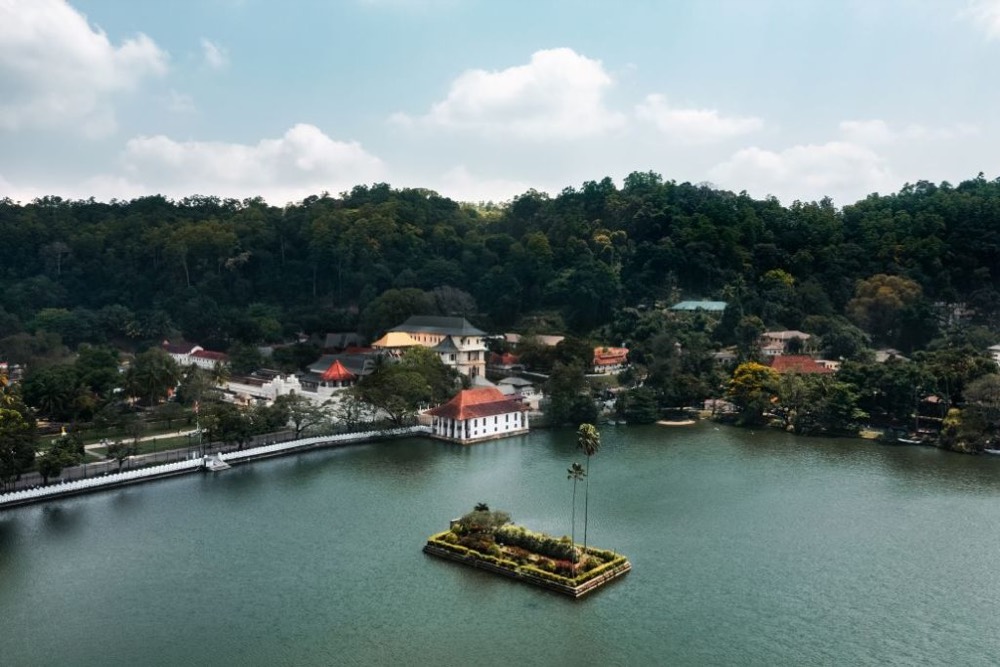
After exploring Sigiriya, continue to Kandy, the last royal capital of Sri Lanka.
In the evening, visit the Temple of the Sacred Tooth Relic, Sri Lanka’s most revered Buddhist shrine.
The temple houses a sacred tooth relic of Lord Buddha. For centuries, possession of the relic symbolised the authority to rule Sri Lanka, making the temple central to the island’s religious and political history.
Although it is not a Ramayana location, the visit introduces devotees to Sri Lanka’s Buddhist civilisation and long tradition of religious coexistence. The temple forms part of the UNESCO-listed Sacred City of Kandy.
Overnight stay in Kandy
After breakfast, visit the beautiful Royal Botanical Gardens at Peradeniya.
The gardens contain more than 4,000 plant species, including orchids, palms, giant bamboo, spice trees, medicinal plants and flowering collections from different parts of the world.
Originally associated with the Kandyan royal court and later developed as a botanical garden, Peradeniya is regarded as one of Asia’s finest tropical gardens.
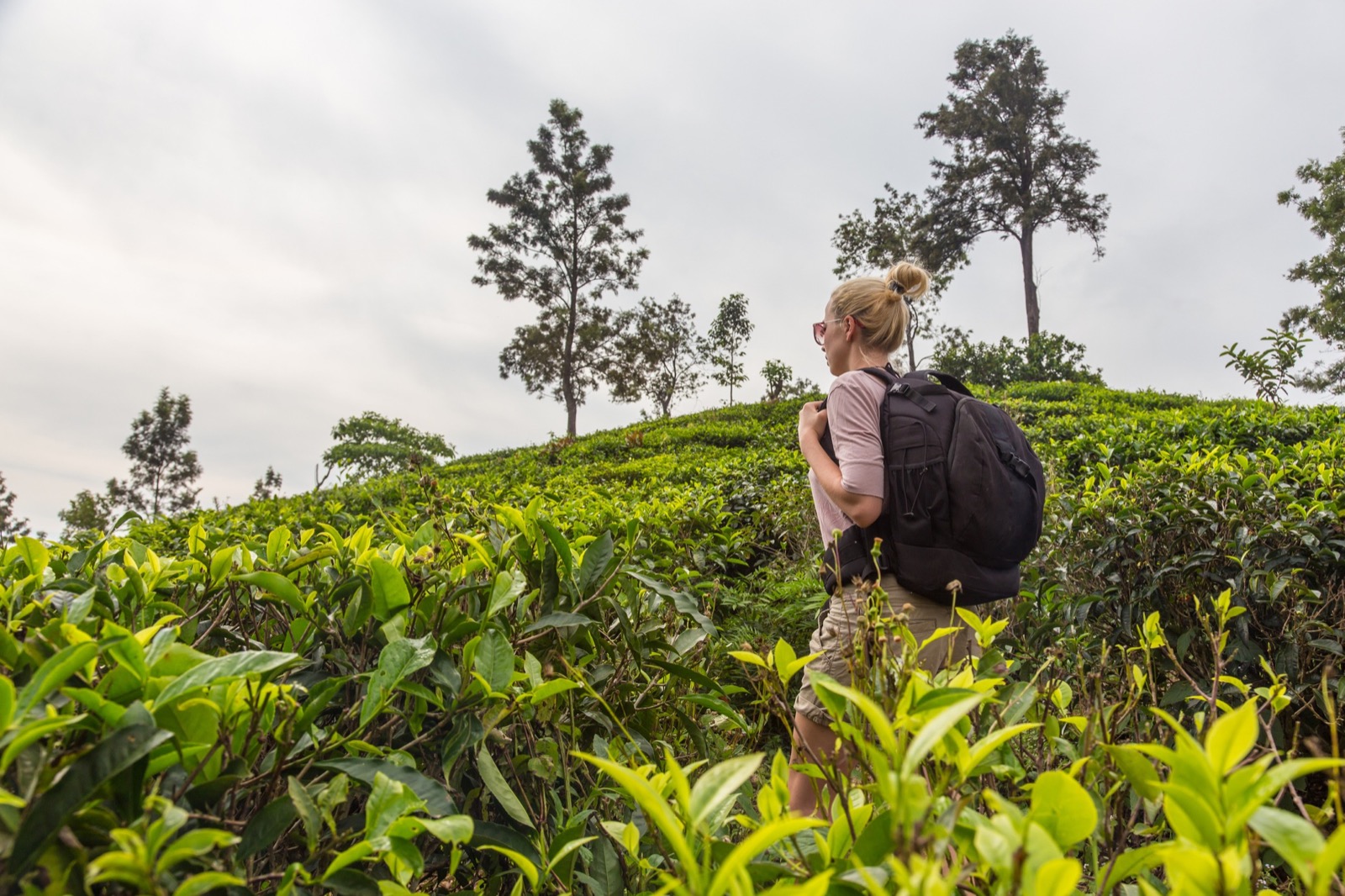
Continue towards Nuwara Eliya through the picturesque mountains and tea plantations of Sri Lanka’s central highlands.
Visit the Shri Bhakta Hanuman Temple, established by the Chinmaya Mission in the beautiful Ramboda Hills.
According to Ramayana tradition, the surrounding mountains were among the areas explored by Hanumanji while searching for Mata Sita. The temple’s impressive Hanuman image represents courage, strength, wisdom and complete devotion to Shri Rama.
The temple has become one of Sri Lanka’s most visited Ramayana pilgrimage sites and provides magnificent views across the surrounding mountains and tea estates.
Local traditions associate the Ramboda region with the movements of Hanumanji and the Vanara forces during the search for Mata Sita.
The surrounding mountains are sometimes connected with the opposing camps of Rama’s and Ravana’s forces. Today, the region is also known for its waterfalls, tea estates and panoramic scenery.
Visit a working tea plantation and factory to learn how the world-famous Ceylon Tea is cultivated, hand-plucked and processed.
Observe the different stages of tea production before enjoying a freshly brewed cup overlooking the beautiful plantations.
Continue to Nuwara Eliya, popularly known as “Little England” because of its cool climate, colonial buildings and landscaped gardens.
In the evening, enjoy a leisurely walk around Gregory Lake and explore the charming town.
Overnight stay in Nuwara Eliya
After breakfast, begin a full-day journey through Sri Lanka’s most celebrated Ramayana region.
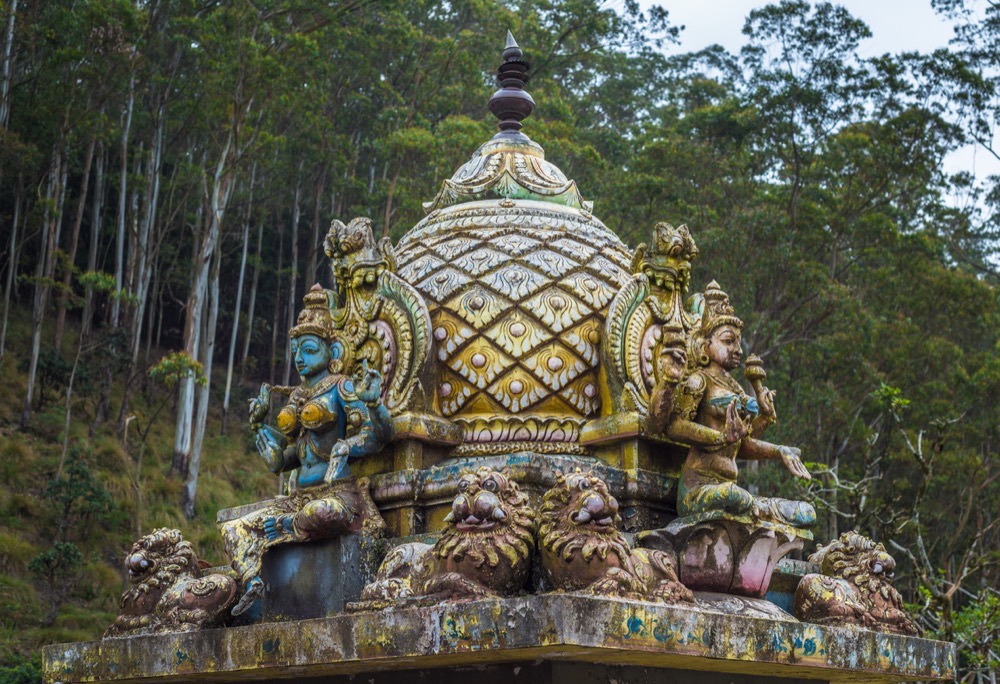
Visit Gayathri Peedam, a Hindu spiritual centre dedicated to Goddess Gayathri.
The shrine preserves traditions associated with Ravana’s devotion, meditation and knowledge of sacred sciences. It is also known for the Sri Lankatheeswarar Shiva Lingam and for religious ceremonies performed for visiting devotees.
Gayathri Peedam should be understood as a modern pilgrimage centre that preserves Ravana-related spiritual traditions rather than an ancient building surviving from the traditional Ramayana period.
Visit Sita Amman Temple at Sita Eliya, one of the most important Ramayana shrines in Sri Lanka.
The temple stands beside a mountain stream in an area traditionally connected with Mata Sita’s captivity. Devotees believe that she bathed in the stream and prayed here while awaiting Shri Rama’s arrival.
Large depressions on the rocks beside the stream are traditionally identified as the footprints of Hanumanji. The temple contains sacred images of Shri Rama, Mata Sita, Lakshmana and Hanumanji.
Continue to Hakgala, traditionally identified with Ashok Vatika, the beautiful garden where Mata Sita spent the later period of her captivity.
According to the Ramayana, Hanumanji discovered Mata Sita seated beneath a tree in this garden. He presented Shri Rama’s ring as proof that he had come as Rama’s messenger and assured her that Rama was preparing to rescue her.
Mata Sita then entrusted Hanumanji with an ornament and a message to carry back to Shri Rama.
Hakgala is now a botanical garden known for its roses, orchids, ferns, mountain scenery and cool climate.
Continue towards Ella and visit Divurumpola, traditionally regarded as the location of Mata Sita’s Agni Pariksha, or Trial by Fire.
After her rescue, Mata Sita is believed to have entered the sacred fire to demonstrate her purity. Agni, the fire deity, returned her unharmed, confirming her innocence.
The name Divurumpola means “the place of an oath.” Local communities continue to regard it as a sacred location where solemn promises carry special spiritual importance.
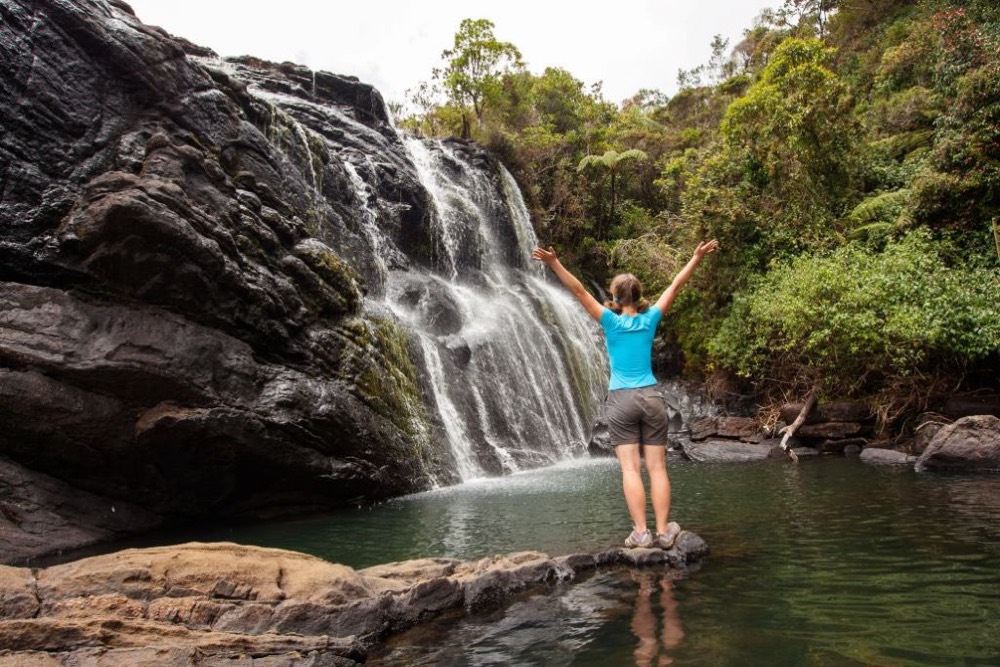
Continue to Ravana Falls, one of Sri Lanka’s most beautiful waterfalls.
According to local tradition, the waterfall and nearby caves formed part of Ravana’s mountain territory. Mata Sita is sometimes believed to have bathed in the streams or pools of this region while being moved between different places of confinement.
Visit the Ravana Cave Temple and, subject to weather and travellers’ mobility, climb towards Ravana Cave.
According to local legend, Ravana temporarily hid Mata Sita inside the cave. It is also believed to have formed part of an underground tunnel network connecting Ravana’s palaces, fortresses and important locations.
Reaching the cave involves climbing many uneven steps and should be considered optional for elderly devotees or travellers with limited mobility.
Enjoy some free time in Ella before returning to Nuwara Eliya.
Overnight stay in Nuwara Eliya
After breakfast, leave the cool central highlands and travel towards Sri Lanka’s beautiful southwestern coast.
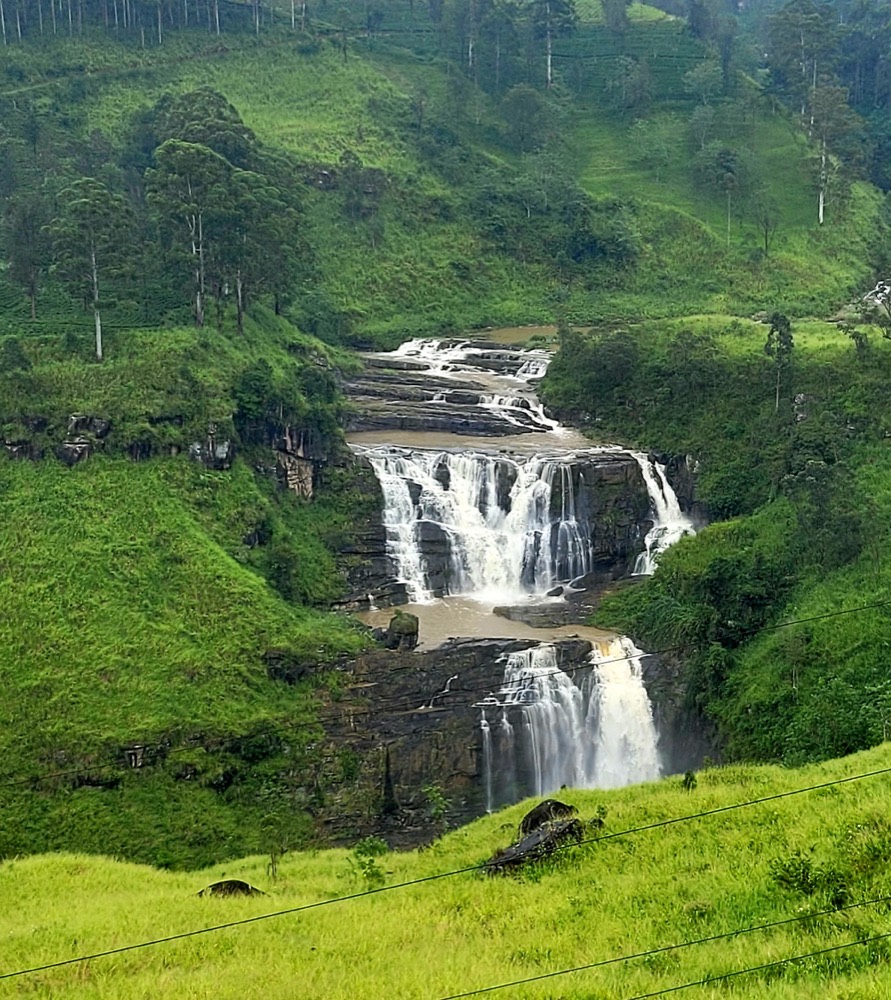
Stop at a viewpoint overlooking Devon Falls, one of the most picturesque waterfalls in Sri Lanka’s tea country.
The waterfall is named after a British coffee planter and is sometimes called the “Veil of the Valley” because of its graceful appearance.
Continue to St. Clair’s Falls, popularly known as the “Little Niagara of Sri Lanka.”
The waterfall flows through a broad valley surrounded by green tea plantations. It is one of the widest and most photographed waterfalls in the country.
Continue to Bentota and check in at your beach hotel.
Spend the remainder of the day relaxing beside the Indian Ocean.
Overnight stay in Bentota
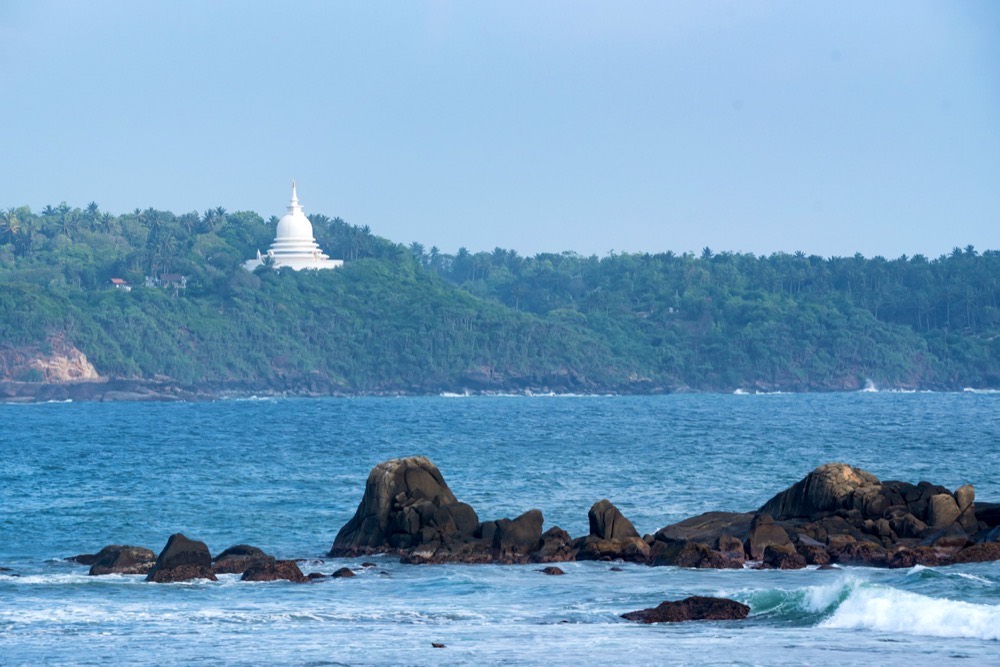
After breakfast, travel along the southern coast to Galle.
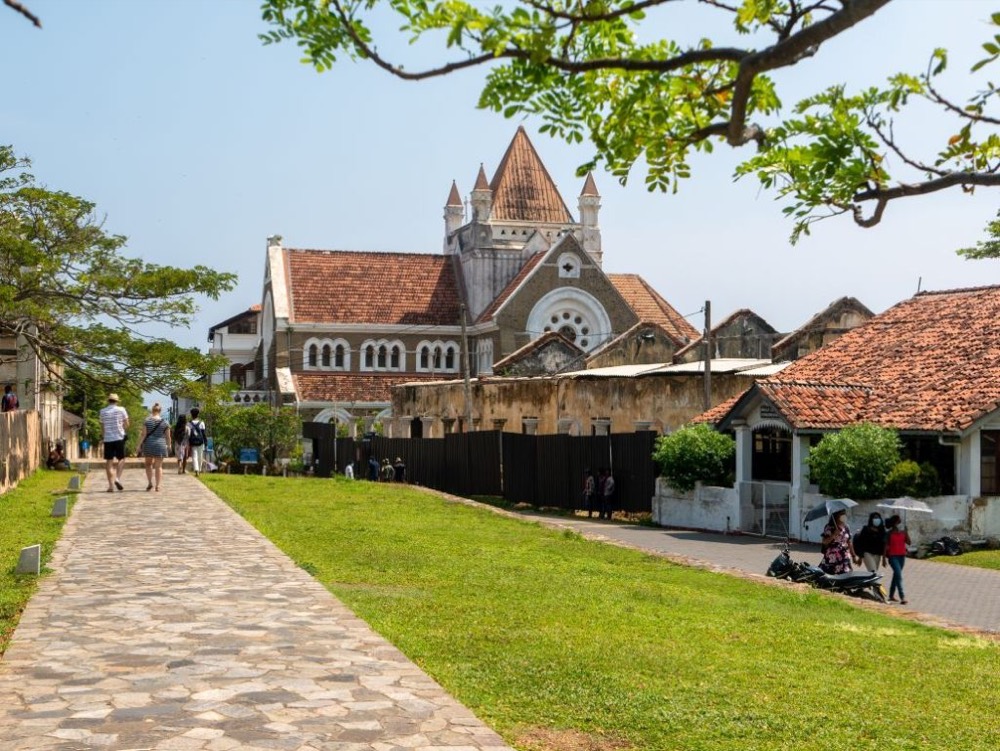
Explore the historic Galle Fort, a UNESCO World Heritage Site.
The fort was originally established by the Portuguese and extensively fortified by the Dutch during the seventeenth century. Its ramparts, churches, old administrative buildings, narrow streets and historic houses reflect several centuries of Sri Lankan, European and maritime history.
Today, Galle Fort contains museums, temples, boutique shops, cafés and beautiful viewpoints overlooking the Indian Ocean.
Continue to Rumassala Hill, one of Sri Lanka’s traditional Sanjeevani locations.
According to the Ramayana, while Hanumanji carried the Sanjeevani Mountain from the Himalayas to save Lakshmana, a fragment fell at Rumassala.
Local traditions associate the hill’s unusual vegetation and medicinal plants with this event. Rumassala’s natural environment differs from much of the surrounding coastal landscape, strengthening its legendary connection with the Himalayan mountain.
The nearby Japanese Peace Pagoda offers panoramic views across the ocean and surrounding coastline.
Later, enjoy a relaxing boat journey through the Madu River wetlands.
Cruise between mangrove forests, small islands and traditional cinnamon-growing communities while observing birds, reptiles and other wildlife. This peaceful experience provides an opportunity to appreciate the natural environment of southern Sri Lanka.
Visit a sea turtle conservation project that works to protect endangered marine turtles.
Learn about the different turtle species found around Sri Lanka, threats to their survival and conservation programmes designed to protect eggs and hatchlings. Some centres also care for injured turtles that cannot immediately return to the ocean.
Return to Bentota.
Overnight stay in Bentota
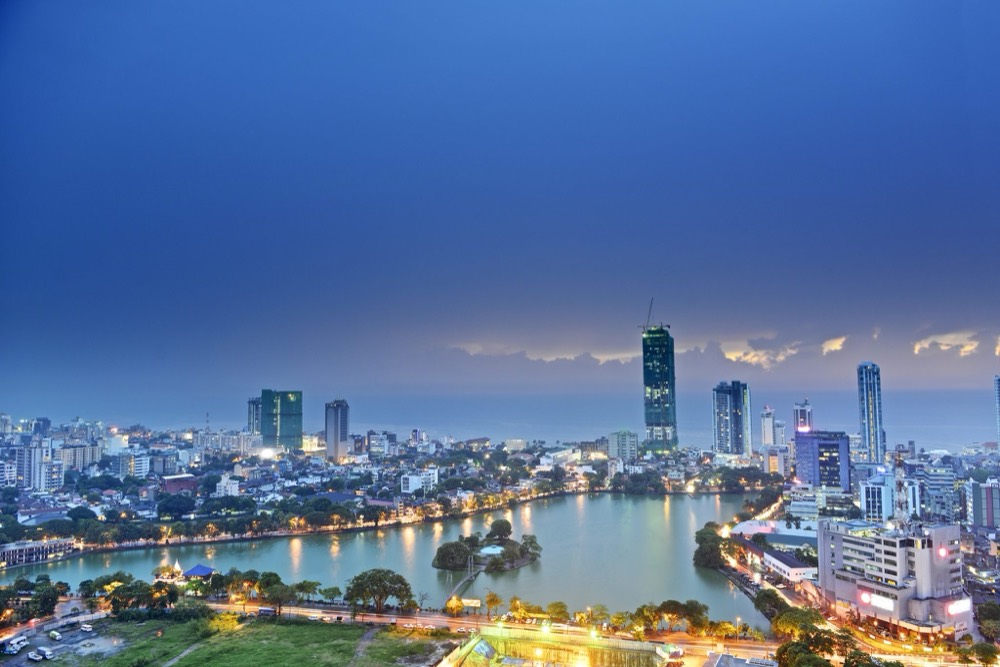
After breakfast, leave Bentota and travel to Colombo.
Visit Sri Anjaneyar Temple, an important modern shrine dedicated to Hanumanji.
The temple provides devotees with an opportunity to offer prayers to Hanumanji, whose courage, intelligence, humility and absolute devotion made Mata Sita’s discovery and Shri Rama’s victory possible.
Special poojas may be arranged in advance, subject to temple schedules and permission.
Continue to Kelaniya Raja Maha Vihara, one of Sri Lanka’s most revered Buddhist temples.
According to Sri Lankan Ramayana tradition, Shri Rama recognised the righteousness of Ravana’s younger brother, Vibhishana, and crowned him King of Lanka at Kelaniya following Ravana’s defeat.
Vibhishana had repeatedly advised Ravana to release Mata Sita and prevent the war. When Ravana refused to follow the path of dharma, Vibhishana joined Shri Rama.
Vibhishana later became revered as one of the guardian deities of Sri Lanka. A shrine dedicated to him can be found within the Kelaniya temple complex.
The Buddhist temple is also celebrated for its paintings and its traditional association with a visit of Lord Buddha to Kelaniya.
Continue to Colombo and enjoy a city tour. Depending on available time, see Independence Square, Galle Face Green, the Old Parliament, Colombo Lotus Tower, Gangaramaya Temple and the city’s colonial buildings.
Enjoy free time to purchase Ceylon tea, spices, gems, handicrafts, clothing and religious souvenirs.
Overnight stay in Colombo
After breakfast, transfer to Bandaranaike International Airport for your departure flight.
Leave Sri Lanka with unforgettable memories of its sacred Ramayana sites, ancient temples, UNESCO World Heritage Sites, mist-covered tea country, waterfalls, wildlife, golden beaches and warm hospitality.
Why Choose This Yatra?
Tell us your dates and how you like to travel, and we'll send back a tailored version of this itinerary with a full quote, usually within a day.